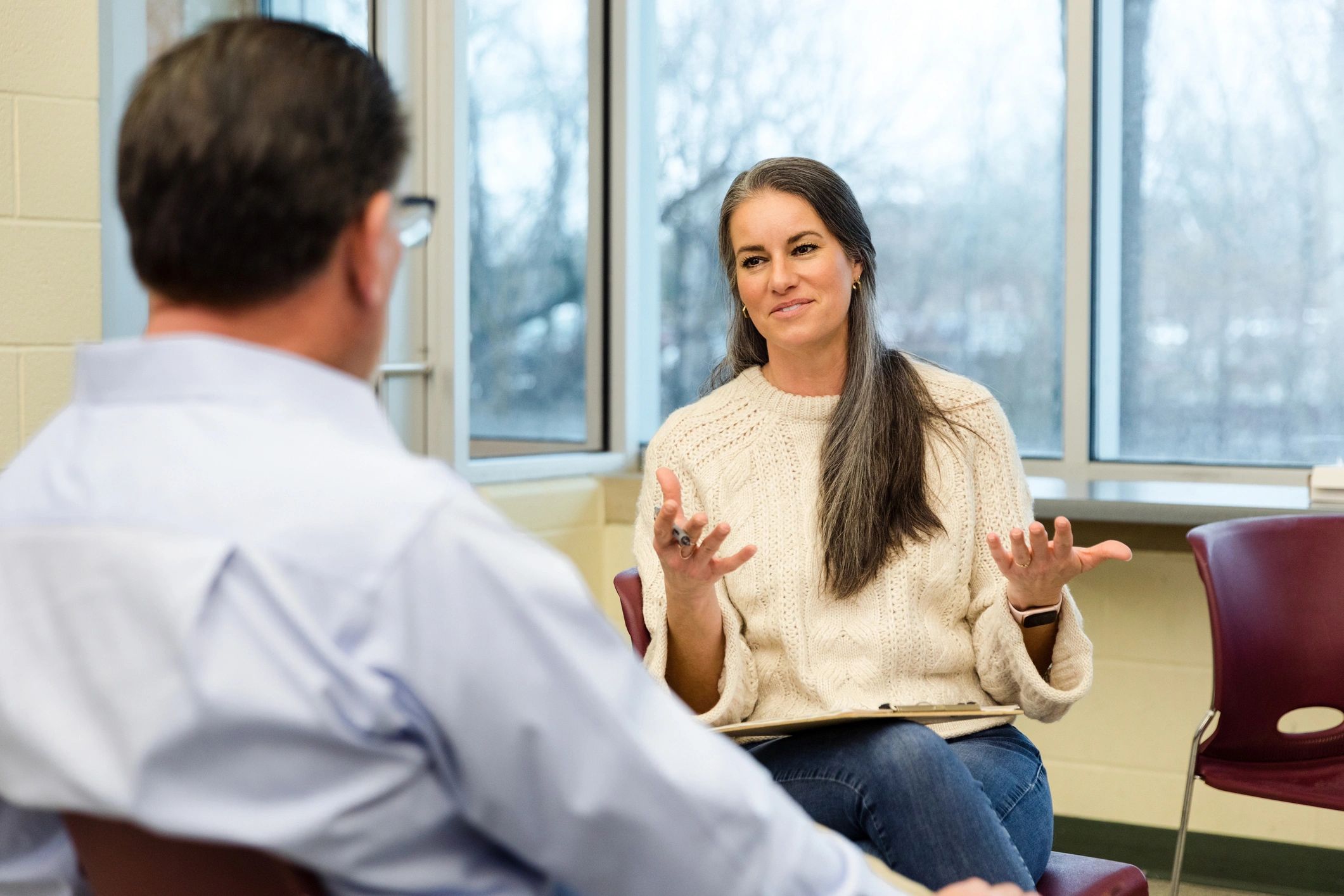
Why behavioral strategy matters during transition
Transition can be loud—new rules, new expectations, new pressures, and often a lot of old stress. At Bramonte Behavioral Strategies (BBS), we focus on non-clinical, strengths-based behavioral coaching that helps people turn intention into action—especially during reentry, workforce reintegration, and housing stabilization.What we mean by “non-clinical” support
Non-clinical support is practical and skill-focused. It can include coaching, structured accountability, and real-world planning—without diagnosing or providing therapy. Our work is designed to complement clinical care when it exists, and to stand alone as a structured support option when it doesn’t.A simple roadmap: the 5 building blocks of stability
- Safety & regulation: Identify triggers, early warning signs, and grounding routines that work in real environments (worksites, shelters, probation meetings, home).
- Daily structure: Build a repeatable schedule that protects sleep, transportation time, appointments, and job-readiness tasks.
- Communication skills: Practice scripts for high-stakes moments—interviews, conflict at work, boundary-setting, and asking for help.
- Problem-solving under pressure: Use step-by-step decision tools to reduce impulsive choices and increase follow-through.
- Support mapping: Clarify who does what—case manager, peer support, employer, family, and community partners—so no one is carrying the whole load alone.
How this applies to our core service areas
BBS supports transitional populations across Florida and nationwide through telehealth and nonprofit partnerships. Here are a few ways behavioral strategy shows up in the work:- Workforce reintegration: attendance routines, workplace communication, conflict prevention, and performance habits.
- Reentry programming: planning for high-risk moments, accountability systems, and pro-social goal tracking.
- Housing stability: budgeting behaviors, documentation checklists, appointment follow-through, and tenant communication.
- Veteran peer support: identity transition, purpose-building, and practical routines that support reintegration.
- Domestic violence survivor services: safety planning behaviors, boundary skills, and step-by-step rebuilding after disruption.
Try this today: the “Next 72 Hours” plan
If you’re feeling overwhelmed, narrow the focus. Write down three actions you can complete in the next 72 hours—one for stability, one for progress, and one for support.- Stability: confirm transportation for the week or set a consistent sleep/wake time.
- Progress: submit one application, attend one appointment, or complete one required document step.
- Support: text/call one person or partner agency and ask for one specific thing.
Partnering with Bramonte Behavioral Strategies
BBS is survivor-founded and veteran co-owned, built to serve as a subcontractor and co-delivery partner under nonprofit prime grantees and state-contracted agencies. If you’d like our Capability Statement and Program Overview—or want to discuss a partnership—email loribramonte@icloud.com.Stability isn’t a personality trait—it’s a set of skills you can build, one repeatable step at a time.